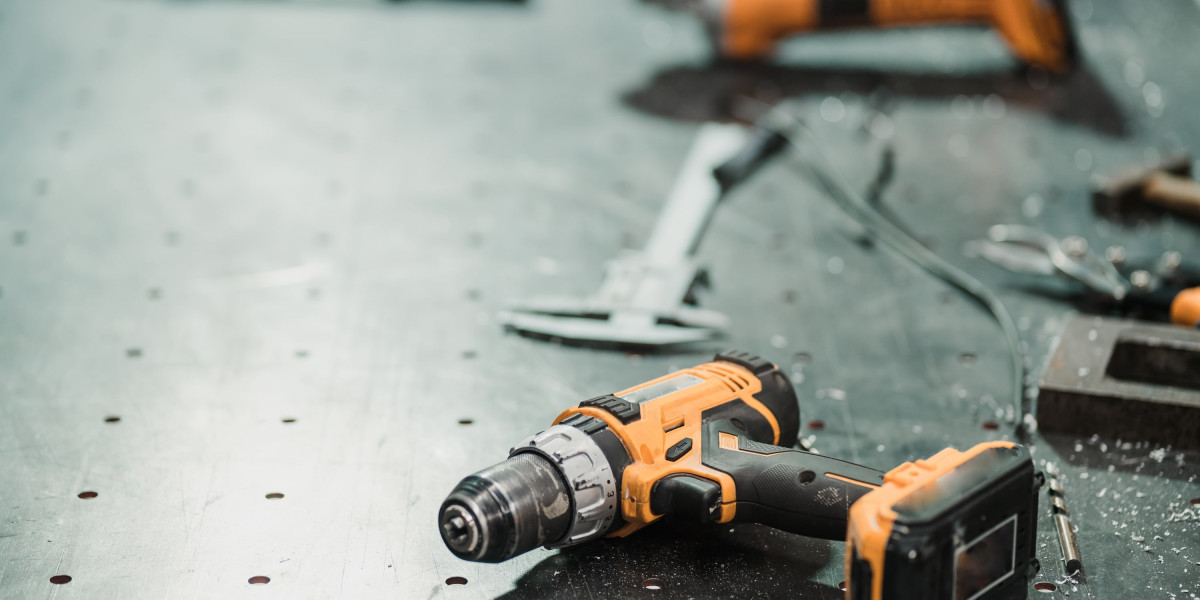

The Ultimate Guide to Cordless Screwdrivers: Power, Precision, and Portability
In the developing world of DIY and professional toolkits, cordless screwdrivers have become essential tools that simplify the assembly, repair, and construction process. This post will explore whatever you require to learn about cordless screwdrivers, their advantages, types, and usage ideas. By the end, you'll be well-equipped to select the best cordless screwdriver for your needs, whether you're an enthusiast or a skilled professional.
What is a Cordless Screwdriver?
A cordless screwdriver is a battery-operated tool that supplies the convenience of mobility and ease of usage. Unlike traditional screwdrivers that need manual effort, cordless designs use an electric motor to drive screws in and out. Digital advancements have actually resulted in an improvement in their performance, making them more effective and versatile than ever.
Secret Components of a Cordless Screwdriver
| Component | Description |
|---|---|
| Motor | Powers the screw-driving system, generally rated in volts (V). |
| Battery | Supplies the source of power; lithium-ion batteries are most common. |
| Chuck | Holds the screwdriver bit; can be keyless for simple bit modifications. |
| Torque Settings | Permits users to change the quantity of force applied to the screw. |
| Speed Settings | Enables the user to manage the speed of rotation for more precision. |
Advantages of Using Cordless Screwdrivers
While manual screwdrivers are frequently adequate for minor tasks, cordless screwdrivers offer numerous advantages:
- Portability: Being cordless permits much easier transport and maneuverability in tight areas.
- Time Efficiency: Significantly lowers the time required to finish jobs compared to manual tools.
- Reduced Fatigue: Less physical exertion can lead to less injuries and more comfort throughout extended use.
- Power and Precision: Modern models include adjustable torque and speed settings, guaranteeing accuracy and control.
- Versatility: Can be used in various applications-- from putting together furniture to electrical work and auto repairs.
Types of Cordless Screwdrivers
Comprehending the various kinds of cordless screwdrivers can help you pick the right one for your needs. Here are some common types:
| Type | Features | Finest Used For |
|---|---|---|
| Basic | Basic designs with set torque and speed. | General home tasks and light assembly. |
| Variable Speed | Adjustable speed settings for accuracy work. | Crafts, Schlagbohrmaschine (https://www.alexisgreviston.top/technology/Empower-your-projects-The-ultimate-guide-to-elektrowerkzeug-essentials/) detailed work, and assembly where control is key. |
| Impact Driver | High torque for driving big screws. | Heavy-duty applications like automobile repair work. |
| Right-Angle | Suitable for tight areas with a 90-degree head. | Tight areas where standard screwdrivers won't fit. |
| Multi-Tool | Combines screwdriver with other functions. | Versatile tasks and home improvement tasks. |
Choosing the Right Cordless Screwdriver
When selecting a cordless screwdriver, certain elements must be thought about to ensure purchasing the best tool for your needs:
- Battery Life: Look for designs with lithium-ion batteries, which offer longer run times and quicker charging.
- Torque and Speed Settings: Adjustable settings supply better control and adaptability across different types of jobs.
- Ergonomics: A comfy grip and light-weight style will lower tiredness throughout long jobs.
- Bit Compatibility: Ensure the screwdriver is compatible with various bits, permitting versatility in jobs.
- Brand Reliability: Well-established brands frequently offer much better warranties and customer support.
Top Cordless Screwdrivers in the Market
| Model | Voltage | Torque (in-lbs) | Battery Type | Weight (lbs) | Price (₤) |
|---|---|---|---|---|---|
| Bosch PS21-2A | 12V | 265 | Lithium-Ion | 1.2 | 99 |
| DeWalt DCF610S2 | 12V | 1600 | Lithium-Ion | 2.0 | 129 |
| Makita DF012DSE | 7.2 V | 220 | Lithium-Ion | 1.5 | 89 |
| Black+Decker BDCSFL20C | 4V | 35 | Lithium-Ion | 0.75 | 49 |
| Ryobi P251 | 18V | 2000 | Lithium-Ion | 3.0 | 75 |
Use Tips for Cordless Screwdrivers
To maximize the performance of your cordless screwdriver, here are some helpful suggestions:
- Charge the Battery: Always ensure the battery is totally charged before use to prevent disturbances.
- Select the Right Bit: Using the appropriate screwdriver bit for the task will avoid removing screws.
- Adjust Torque Appropriately: Set the torque to an appropriate level to prevent destructive materials.
- Keep Your Tool: Keep the screwdriver tidy and oiled; check for indications of wear.
- Practice Good Technique: Hold the tool steady, and apply the screwdriver directly to the screw for optimal engagement.
Frequently Asked Questions (FAQs)
1. The length of time does the battery last on a cordless screwdriver?
Battery life varies depending upon use and model, but numerous lithium-ion batteries can last anywhere from 1 to 20 hours under regular operating conditions.
2. Can I use a cordless screwdriver for sturdy tasks?
While some designs like impact motorists are designed for heavy-duty jobs, basic cordless screwdrivers might not provide adequate torque for really requiring jobs.
3. How do I maintain my cordless screwdriver?
Regularly clean the outside, check for any loose screws, and make sure the battery ports are tidy. Occasionally charge the battery even if not in usage to preserve battery health.
4. What are some common mistakes to prevent when using a cordless screwdriver?
Prevent using the incorrect bit, applying too much force, or dropping the tool, which might trigger damage or impact performance.
5. Are cordless screwdrivers safe to use with all materials?
Cordless screwdrivers are flexible, however users must be mindful with brittle products or when working with delicate assembly as high torque might cause damage.
In summary, cordless screwdrivers offer unequaled convenience and efficiency in both professional and DIY settings. By understanding the different types, picking the ideal model, and following proper usage strategies, users can substantially improve their productivity and make their projects more pleasurable. As the technology continues to develop, these flexible tools are set to become a lot more integral to modern tasks.












