

The Exercise Bicycle: A Comprehensive Guide on Benefits, Types, and Best Practices
Exercise bicycles, frequently described as stationary bikes, have actually surged in popularity in recent years as an effective ways of improving cardiovascular health, burning calories, and improving general fitness. With a variety of types readily available, comprehending how to pick the right one and include it into a fitness regimen is important for accomplishing ideal health benefits. This short article checks out the different kinds of exercise bicycles, their benefits, and useful ideas for reliable workouts.
Types of Exercise Bicycles
Exercise bicycles can be broadly classified into 3 types: upright bikes, recumbent bikes, and spinning bikes. Each type uses special features fit for different fitness levels and preferences.
| Type of Exercise Bicycle | Description | Suitable For |
|---|---|---|
| Upright Bike | Simulates the experience of riding a conventional bicycle, with the rider in an upright position. | Beginners and experienced bicyclists alike searching for a full-body workout. |
| Recumbent Bike | Functions a reclined seating position, which minimizes pressure on the back and uses support for the lower body. | Seniors or people with back problems or those recuperating from injury. |
| Spinning Bike | Created for high-intensity exercises, typically featuring a much heavier flywheel and adjustable resistance. | Fitness enthusiasts and those thinking about high-intensity period training (HIIT). |
Advantages of Using an Exercise Bicycle
Taking part in regular exercises on an Exercise home cycle (https://Www.Lesliejavaux.top/health/pedal-your-way-to-fitness-the-ultimate-Guide-to-home-exercise-bikes) bicycle offers various benefits for people of any ages and fitness levels. Here are some crucial advantages:
Cardiovascular Health: Exercise bicycles provide an exceptional aerobic workout that can considerably enhance heart health and lung capability.
Low Impact on Joints: Unlike running or other high-impact activities, cycling locations minimal stress on the joints, making it suitable for individuals with joint illness or those recuperating from injuries.
Convenience: With an exercise bicycle in the house, individuals can exercise at their own benefit without weather condition limitations or time restrictions.
Weight Loss: Regular cycling assists burn calories, which can cause weight reduction or weight management when integrated with a well balanced diet plan.
Enhanced Muscle Tone: Cycling targets major muscle groups including the legs, glutes, and core, therefore adding to much better muscle tone and strength.
Mental Health Benefits: Physical activity, consisting of biking, releases endorphins-- natural mood lifters-- which can ease symptoms of anxiety and depression.
Table 1 listed below sums up these benefits and shows their significance based upon different fitness goals.
| Benefit | Value Level (1-5) |
|---|---|
| Cardiovascular Health | 5 |
| Low Impact on Joints | 4 |
| Convenience | 5 |
| Weight-loss | 4 |
| Enhanced Muscle Tone | 4 |
| Mental Health Benefits | 5 |
Tips for Effective Workouts
To maximize the advantages of utilizing an exercise bicycle, think about the following practical ideas for efficient exercises:
Setting Up Your Bike
- Adjust the Seat Height: Ensure that your knee is somewhat bent at the bottom of the pedal stroke.
- Adjust the Handlebars: Position them to a comfortable height that does not strain your back or shoulders.
- Use Proper Footwear: Wear suitable shoes that use good assistance and decrease slippage.
Developing a Balanced Routine
- Warm-Up and Cool Down: Always start with a 5-10 minute warm-up to prep your muscles and follow with a cool-down session to assist recovery.
- Incorporate Interval Training: Alternate in between high-intensity speeds and moderate pedaling to enhance cardiovascular fitness and burn more calories.
- Display Your Heart Rate: Use the bike's integrated sensing units or a heart rate monitor to preserve an optimum training zone.
Preserving Motivation
- Set Specific Goals: Whether it's period, distance, or calories burned, having clear objectives can keep you focused.
- Track Your Progress: Utilize fitness apps or journals to log exercises and keep track of improvements gradually.
- Diversify Your Workouts: Mix sessions with music, videos, or interactive online classes to keep your regular fresh and enjoyable.
Regularly Asked Questions (FAQs)
How frequently should I utilize an exercise bicycle?
For optimum health benefits, it is suggested to use an exercise bicycle a minimum of 150 minutes per week of moderate-intensity aerobic activity or 75 minutes of vigorous activity. This can be spread out throughout the week based upon personal preferences.
Can I drop weight by biking on an exercise bicycle?
Yes, cycling is a reliable method to burn calories. To achieve weight loss, combine constant cycling with a well balanced diet plan and other forms of exercise.
Is cycling safe for elders?
Definitely. Nevertheless, elders need to choose a recumbent bike to decrease pressure on the back and joints, and ensure an appropriate setup and posture for comfort.
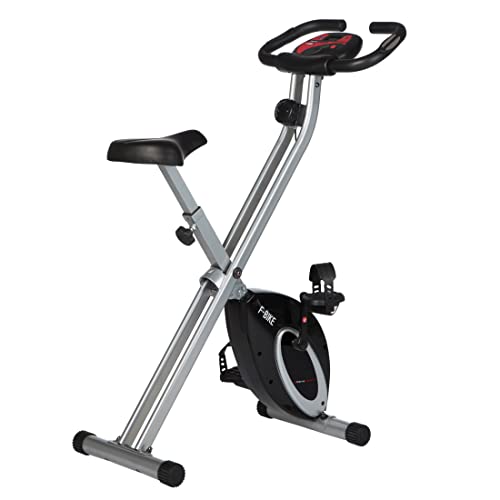
What are some typical errors to avoid while cycling?
- Improper seat height can result in pain and injury.
- Overstraining without adequate rest can impede development.
- Neglecting hydration is a typical mistake that can adversely impact performance.
Can I watch TV or read while biking?
Yes, many individuals find that watching TV or reading assists make the workout more pleasurable. Just guarantee you keep proper posture on the bike to avoid stress.
The exercise bicycle is a versatile tool with many benefits, making it a perfect option for individuals wanting to enhance their fitness levels conveniently and securely. By comprehending the different kinds of bikes, embracing their benefits, and following best practices for exercises, anybody can effectively include cycling into their health routine. As fitness goals evolve, the exercise bicycle offers a trustworthy ways of accomplishing and keeping wanted outcomes.












