The Benefits and Types of Exercising Bikes: A Comprehensive Guide
Exercising bikes, frequently described as stationary bikes or fitness bikes, have actually ended up being significantly popular in homes and fitness centers worldwide. They supply an efficient workout choice that accommodates various fitness levels, making them a staple in individual fitness routines. This short article will check out the types of stationary bicycle, their benefits, and pointers on choosing the ideal one for your needs, all while including useful tables, lists, and FAQs to boost your understanding.
The Types of Exercising Bikes
Stationary bicycle can be found in various designs and styles, each fit for various user choices and fitness goals. Below is a table summing up the primary kinds of exercising bikes:
| Type of exercise bike workout; mouse click the up coming webpage, Bike | Description | Perfect For |
|---|---|---|
| Upright Bike | Resembles a traditional bicycle; user sits upright with pedals situated below. | People seeking to simulate outside biking and engage core muscles. |
| Recumbent Bike | Functions a reclining seat and larger back support; pedals are positioned in front. | Users with back concerns or those seeking a comfy trip. |
| Spin Bike | Created for high-intensity workouts with a heavier flywheel and adjustable resistance. | Fitness lovers interested in group classes or intense training. |
| Hybrid Bike | Integrates features of upright and recumbent bikes, frequently adjustable for user preference. | Those who enjoy range in their exercises and require ergonomic assistance. |
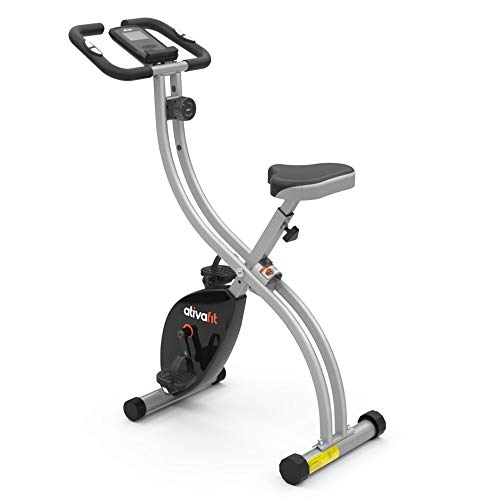
| Collapsible Bike | A compact style that can be folded for easy storage, often suitable for little areas. | People with restricted space seeking a hassle-free exercise choice. |
Advantages of Exercising Bikes
Using a stationary bicycle provides many health benefits that contribute to general wellness. Here are some essential benefits:
Cardiovascular Health: Regular usage of stationary bicycle increases heart health by improving flow and endurance.
Weight Loss: Cycling assists burn calories, assisting in weight management. Depending upon intensity and period, an individual can burn around 400 to 600 calories per hour on a stationary bicycle.
Low Impact on Joints: Unlike running or high-impact workouts, stationary bicycle provide a low-impact alternative that lowers tension on joints, making them appropriate for individuals with arthritis or joint discomfort.
Benefit: Exercise bikes enable a versatile exercise schedule, as users can train in the house regardless of weather conditions.
Adjustable Workouts: Many stationary bicycle come equipped with different resistance levels and workout programs, permitting users to tailor their exercises according to fitness goals.
Improved Muscle Tone and Strength: Pedaling engages various muscle groups, consisting of the quads, hamstrings, calves, and glutes, promoting muscle development and toning.
Including an Exercise Bike into Your Routine
For those questioning how to successfully integrate a stationary bicycle into their fitness strategy, think about the following suggestions:
Set Clear Goals: Define your fitness goals, be it weight-loss, endurance training, or rehab.
Develop a Schedule: Dedicate particular days and times for cycling exercises to produce a consistent regimen.
Start Slowly: If new to biking, begin with lower strength and gradually increase the period and resistance as fitness levels enhance.
Mix It Up: Incorporate interval training by rotating in between high-intensity bursts and lower-intensity healing durations to challenge the body successfully.
Display Progress: Keep track of improvements in range, speed, and calories burned to maintain inspiration.
Common Mistakes to Avoid
As with any fitness regime, users should be aware of common risks when using stationary bicycle:
Poor Posture: Improper body placing can cause discomfort or injury. Ensure the seat height is changed properly, and maintain good posture while biking.
Overtraining: Listen to your body and prevent excessive biking that can result in fatigue or injury.
Disregarding Other Exercises: While biking is helpful, it's important to include strength training and flexibility workouts in general fitness strategies.
Overlooking Nutrition: A balanced diet is essential for reaping the full advantages of any exercise program.
Frequently Asked Questions About Exercising Bikes
1. How typically should I utilize a stationary bicycle?
For ideal health benefits, aim for a minimum of 150 minutes of moderate aerobic exercise, such as cycling, each week. This can be broken down into sessions of 30 minutes, 5 days a week.
2. Do exercise bikes aid with weight loss?
Yes, exercising on a bike can help burn calories and add to a calorie deficit necessary for weight reduction. Integrated with a healthy diet plan, it boosts outcomes.
3. Are recumbent bikes easier to utilize than upright bikes?
Normally, users may discover recumbent bikes more comfortable due to their support and reclined position. However, the choice depends on specific choices and fitness objectives.
4. Can I enjoy TV while using an exercise bike?
Definitely! Seeing TV or listening to music can make exercises more pleasurable. Ensure that your setup enables visibility without jeopardizing your posture.
5. What should I do if my knees hurt while biking?
If you experience knee pain, inspect your bike setup for proper adjustments, think about minimizing resistance, or consult a physician if discomfort persists.
Exercise bikes offer a flexible and efficient way to improve cardiovascular fitness, burn calories, and stay active. With a variety of types and appropriate workout strategies, anyone can discover a stationary bicycle that fits their way of life and needs. Whether utilized in a gym or at home, they offer an outstanding alternative for keeping a healthy way of life, accommodating various fitness levels, and incorporating easily into daily routines.