

The Charm and Functionality of Fireplaces: A Comprehensive Guide
Fireplaces have actually long been a central function in homes, representing warmth, friendship, and comfort. They come in various styles, materials, and fuel types, dealing with the choices and requirements of diverse house owners. This post looks into the multifaceted world of fireplaces, exploring their history, types, installation considerations, and maintenance pointers, while providing FAQs to address typical questions.
A Brief History of Fireplaces
Historically, fireplaces served as the cornerstone for cooking and heating homes. In ancient times, an open hearth was typically put in the center of a dwelling. Over centuries, architectural improvements assisted in the development of more sophisticated styles, progressing from simple stone structures to elaborate mantels that command modern home.
Key Historical Milestones:
- Ancient Times: Open fires in caves and primitive huts for warmth and cooking.
- Middle Ages: Large, typically centralized chimney structures in fantastic halls of castles.
- Renaissance: Decorative mantels and styles gain popularity, with the fireplace ending up being a sign of wealth and status.
- Industrial Revolution: Advancements in materials and manufacturing permit a more comprehensive variety of fireplace styles.
- Modern Era: Gas and electric fireplaces become commonplace, enabling increased benefit and safety.
Types of Fireplaces
Today, various types of fireplaces are available, each with its special attributes. Below is a breakdown of the most typical types:
| Fireplace Type | Description | Pros | Cons |
|---|---|---|---|
| Wood-Burning | Traditional fireplaces fueled by wood. | Authentic experience, heat output. | Labor-intensive, needs proper venting/maintenance. |
| Gas | Fireplaces that use natural gas or propane. | Easy to use and maintain. | Less atmosphere compared to wood. |
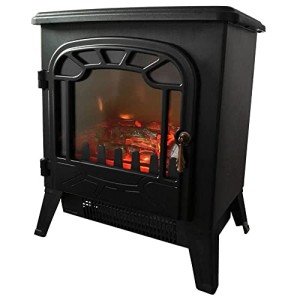
| Electric | Uses electrical power to produce heat and flames. | Safe, no venting needed. | Minimal heat output, greater energy costs. |
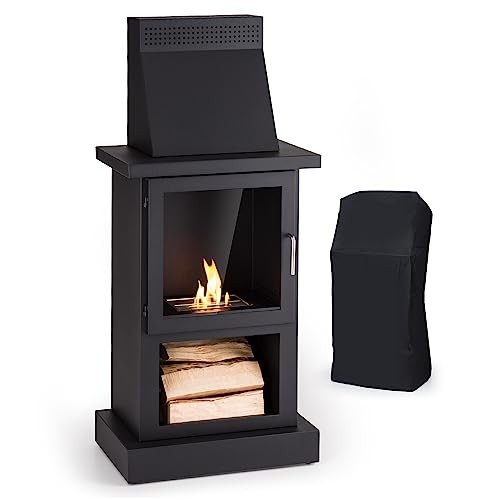
| Bioethanol | Uses bioethanol fuel, producing tidy flames. | Environmentally friendly, portable. | Needs routine refueling. |
| Pellet | Utilizes compressed wood pellets as fuel. | Clean burning, sustainable. | Needs power for operation. |
Additional Considerations
When choosing a fireplace, it is vital to think about factors such as:
- Fuel Availability: Consider what fuels are easily available in your location.
- Space and Aesthetics: The size of your living location and your design choices must guide your choice.
- Structure Regulations: Always consult regional regulations to make sure compliance and security.
Setup Considerations
Setting up a fireplace involves more than simply placing a structure in your home. Thorough planning, expert input, and adherence to security codes are critical. Here are some critical actions:
- Planning: Consider the size and kind of fireplace, where it will be positioned, and its designated use.
- Consultation: Hire a certified specialist to assess your home and guarantee appropriate installation.
- Permits: Obtain any essential building authorizations from local authorities.
- Materials: Select proper products for the fireplace and surrounding area. Ensure they are fire-resistant and created for your fuel type.
Maintenance Tips for Fireplaces
Routine upkeep ensures your fireplace runs safely and effectively. Here are necessary upkeep ideas categorized by fireplace type:
Wood-Burning Fireplaces
- Chimney Cleaning: Have your chimney cleaned up yearly to avoid creosote accumulation.
- Examine for Damage: Check for fractures and damage to the firebox and chimney structure.
- Firewood Storage: Store firewood away from your house to avoid bug invasions.
Gas Fireplaces
- Log Inspection: Regularly analyze ceramic logs for cracks and change if required.
- Vent Cleaning: Ensure that vents are devoid of blockages.
- Pilot Light Check: Test pilot lights and ignition systems frequently.
Electric Fireplaces
- Cable Inspection: Frequently check electrical cables for tearing or use.
- Clean Surfaces: Wipe down surfaces routinely to get rid of dust and debris.
- Smoke alarm: Ensure smoke alarm in the area are functional.
Bioethanol and Pellet Fireplaces
- Fuel Storage: Store fuels in a cool, dry place away from direct sunlight.
- Routine Refueling: Monitor fuel levels and refuel as required.
- Ventilation: Ensure proper ventilation when using these fireplaces.
FAQs About Fireplaces
Q1: Do I require a license to install a fireplace?
Yes, many towns require authorizations for fireplace installations to make sure security and compliance with regional building regulations.
Q2: How often should I clean my chimney?
It is suggested to have your chimney cleaned at least as soon as a year, particularly if you utilize your fireplace often.
Q3: Can I convert a wood-burning fireplace to gas?
Yes, lots of homeowners convert wood-burning fireplaces to gas for convenience, but seeking advice from an expert is recommended to guarantee a proper conversion.
Q4: Do electric fireplaces produce heat?
Yes, electric fireplaces can produce heat; however, their primary function is often for ambiance, making them a suitable choice for those who want a fire appearance without comprehensive heating.
Q5: Are bioethanol fireplaces safe?
Bioethanol fireplaces are generally safe when used properly; however, they require appropriate ventilation, and users ought to follow all maker standards.
Fireplaces not just include aesthetic appeal to homes but likewise supply useful heating services. With numerous types, styles, and upkeep requirements, homeowners can make informed choices that best match their needs and way of lives. Whether opting for the beauty of a wood-burning fireplace or the benefit of a gas design, a fireplace can considerably enhance a living area's convenience and atmosphere. As the hearth remains a centerpiece in homes, it continues to cultivate heat, conversation, and connections amongst household and good friends.












