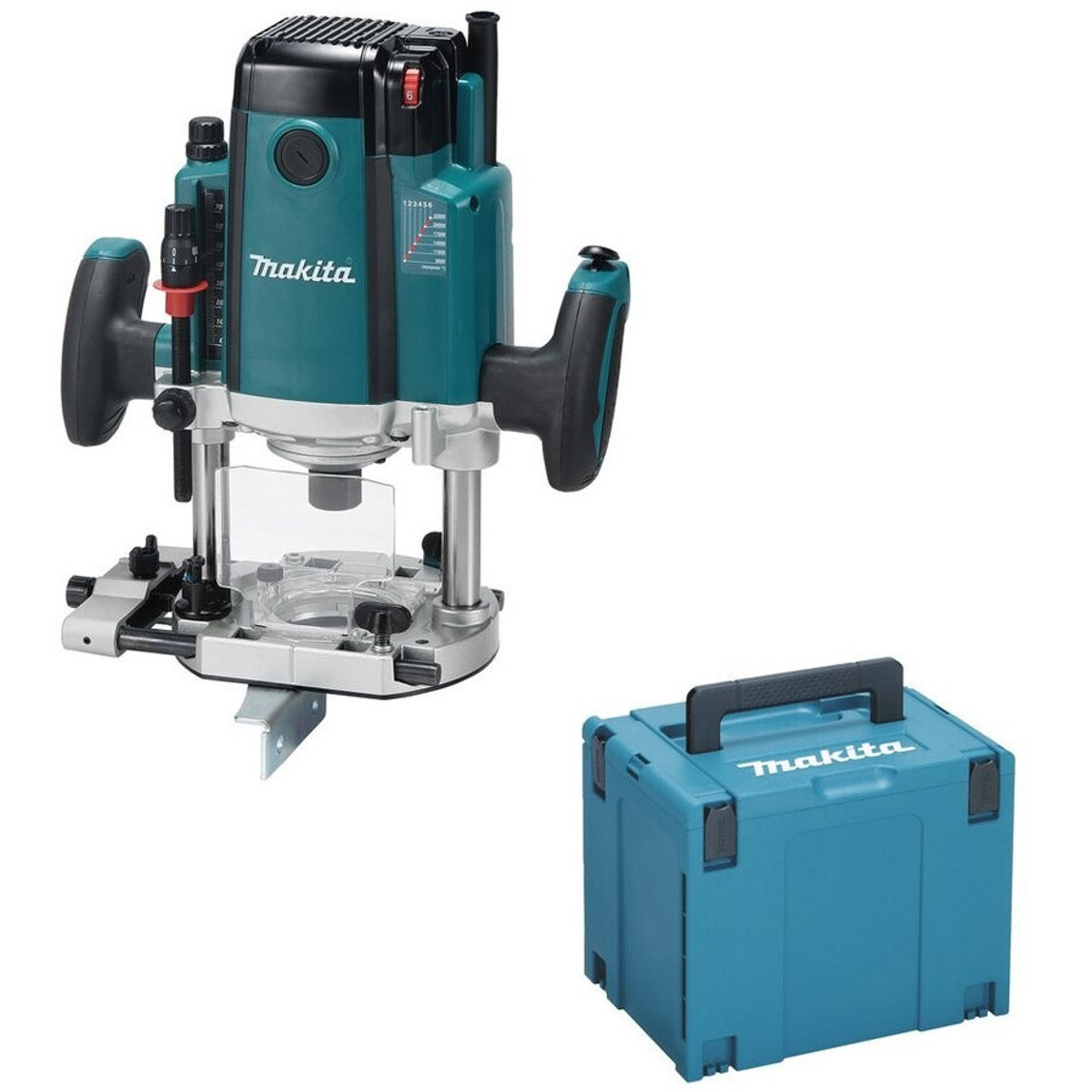
Precision Planing Machines: The Heart of Woodworking Excellence
In the world of woodworking and production, the precision planing maker sticks out as a cornerstone of effectiveness and precision. These machines help change rough lumber into smooth, ready-to-use slabs, making them crucial for any workshop, from little artisan shops to large industrial centers. This post looks into the different elements of precision planing machines, their functions, advantages, selection requirements, and regularly asked questions.
Understanding Precision Planing Machines
What is a Precision Planing Machine?
A precision planing maker, commonly called a planer, is a power tool developed to shave wood to a defined thickness and develop a smooth surface area on the wood's face or edges. By getting rid of product at controlled depths, these machines make sure uniformity and a high level of finish, preparing the wood for more processing, such as sanding or signing up with.
How Does it Work?
Precision planing machines operate through a series of turning cutter heads equipped with sharp blades. When lumber is fed into the machine, the cutter heads rotate and slice through the wood. The depth of cut can be adapted to control how much material is removed on each pass.
Below is a simplified table summarizing the parts of a precision planing maker and their functions.
| Element | Function |
|---|---|
| Cutter Head | Contains knives or blades that cut and shave the wood. |
| Infeed Table | Where the wood is at first placed before going into the maker. |
| Outfeed Table | Gets the completed wood after it has actually been planed down. |
| Feed Rollers | Help pull the wood through the machine at a consistent speed. |
| Depth Adjustment | Enables the operator to set the desired thickness of the finished wood. |
| Dust Collection | Gets rid of sawdust and debris during the planing process. |
Types of Precision Planing Machines
The versatility of planing machines is evidenced by the numerous types readily available in the market. Each type serves a distinct purpose, accommodating various woodworking requirements. Below is a list of typical types of precision planing machines:
Thickness Planers: Focus on producing consistent thickness across flat surface areas.
Surface area Planers: Primarily smooth out the surface of rough lumber.
Jointer/Planer Combos: Offer both jointing for straight edges and planing for density in a single maker.
Portable Planers: Compact and lightweight machines designed for on-site projects.
CNC Planers: Computer mathematical regulated machines for automated and exact planing, frequently used in large production settings.
Advantages of Using Precision Planing Machines
The precision planing machine has a number of benefits, making it an essential addition to any woodworking setup:
Quality Finishing: Produces smooth surfaces with great finishes, decreasing the need for subsequent sanding.
Time Efficiency: Quickly processes big amounts of wood, accelerating the workflow.
Consistency: Ensures constant thickness throughout all pieces, an important aspect in professional woodworking.
Adaptability: Works with a series of wood types and sizes, making it ideal for various applications.
Improved Safety: Modern models come equipped with sophisticated safety features, decreasing the threat of injury.
Selection Criteria for Precision Planing Machines
Choosing the ideal precision planing device can be a daunting job provided the range of alternatives available. Here are essential requirements to think about when selecting:
Material Compatibility: Ensure the maker can deal with the type of wood you prepare to use.
Cutting Width: Determine the maximum width of lumber you will be processing.
Power: Look for machines with enough motor power to deal with the thickness of materials you intend to plane.
Mobility: If mobility is required, think about a lighter, portable option.
Adjustability and Controls: Look for machines that use easy depth adjustment and user-friendly controls.
Dust Collection System: A great dust collection system is vital for preserving a clean office and visibility during operation.
Warranty: Consider the warranty duration and consumer support used by the manufacturer.
Table: Comparison of Different Types of Planing Machines
| Type | Perfect Use | Functions | Price Range |
|---|---|---|---|
| Density Planer | Uniform density on lumber | Effective motor, adjustable depth | ₤ 300 - ₤ 3,000 |
| Surface Planer | Smoothing rough lumber | Wide bed, high precision | ₤ 400 - ₤ 4,000 |
| Jointer/Planer Combo | Both jointing and planing | Space-saving style | ₤ 500 - ₤ 5,500 |
| Portable Planer | Jobs on the go | Light-weight, easy to store | ₤ 100 - ₤ 600 |
| CNC Planer | High volume production | Fully automated, highly precise | ₤ 2,000 - ₤ 20,000+ |
FAQ about Precision Planing Machines
What is the main function of a precision planing device?
- It is mainly utilized to attain consistent thickness and smooth surfaces on wood.
Can I use a density planer on rough lumber?
- Yes, density planers are developed to handle rough lumber, getting rid of material up until the desired density and finish are attained.
What security functions should I search for?
- Lots of modern machines consist of resettable breaker, blade guards, and anti-kickback functions to enhance user safety.
How often should I replace the blades?
- The frequency of blade replacement depends on use. Generally, they must be replaced or sharpened when you observe a decrease in efficiency or complete quality.
Is a dust collection system required?
- Yes, a dust collection system is highly recommended for keeping a clean and safe workspace.
Precision planing machines play a necessary role in workmanship, changing raw wood into completely formed pieces suitable for various applications. With improvements in innovation and a vast array of available models, woodworkers can choose machines customized to their particular requirements, guaranteeing they accomplish optimal outcomes in their projects. Comprehending the types and advantages of these machines empowers artisans, hobbyists, and manufacturers alike to raise their woodworking abilities and efficiency.