
Understanding the Weight of a 20ft Container: A Comprehensive Guide
Shipping containers have transformed worldwide trade and logistics. They enable the safe and effective transport of products across nations and continents. Among the numerous sizes of shipping containers, the 20 Foot Sea Container-foot container has become one of the most popular choices for companies and individuals alike. Nevertheless, understanding the weight of a 20 Container Size-foot container is vital for guaranteeing compliance with policies, reliable cargo management, and successful shipment logistics. This article will explore the specifics of 20ft container weights, consisting of average weights, factors impacting weight, and practical ramifications for shipping.
What is a 20ft Container?
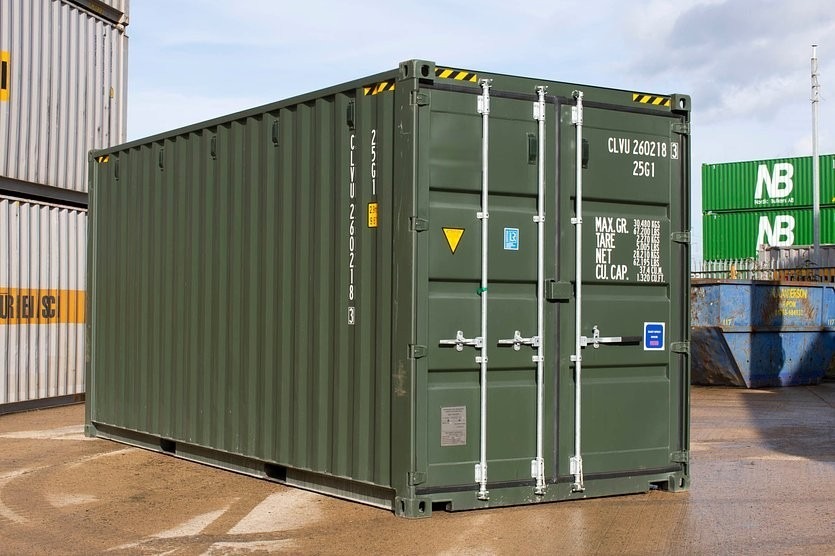
A 20 Feet Container-foot container, frequently referred to as a TEU (Twenty-foot Equivalent Unit), is a standardized shipping container. It is mainly used for the intermodal transport of items and can be quickly moved in between ships, trucks, and trains. The internal dimensions of a 20ft container normally determine roughly 19 feet 4 inches in length, 7 feet 8 inches in width, and 7 feet 10 inches in height.
Typical Weights
The weight of a 20ft container can differ based on its style and intended usage. There are usually three primary weight classifications to consider: Tare Weight, Maximum Gross Weight, and Payload Capacity.
Table 1: Weight Specifications of a Standard 20ft Container
| Weight Category | Weight (pounds) | Weight (kg) |
|---|---|---|
| Tare Weight | 4,500 | 2,041 |
| Optimum Gross Weight | 56,000 | 25,401 |
| Payload Capacity | 51,500 | 23,360 |
- Tare Weight: This is the weight of the empty container itself. On average, a 20ft standard container weighs around 4,500 pounds (2,041 kg).
- Maximum Gross Weight: This shows the maximum overall weight that the container can securely carry during transport, consisting of the weight of the container and the load. For a Buy 20ft Containers container, this is usually about 56,000 lbs (25,401 kg).
- Payload Capacity: The payload capacity describes the optimum weight of the freight that can be filled into the container. This is the difference between the optimum gross weight and the tare weight, resulting in an approximate payload capability of 51,500 pounds (23,360 kg).
Elements Influencing the Weight of a 20ft Container
The weight of a 20ft container can be affected by numerous factors, consisting of:
- Type of Container: Different designs, such as high cube, cooled (reefer), or open-top containers, can have various tare weights.
- Material and Design: The products utilized in the construction of the container, along with its structural design, can affect its weight. For instance, strengthened containers may weigh more.
- Freight Type and Packing: The real cargo being transported plays a vital function. Heavy products like metals weigh more than light items such as textiles. The way goods are packed can also impact total weight.
- Additional Equipment: Containers may come geared up with extra features such as refrigeration systems, which include to their tare weight.
Compliance and Regulations
Comprehending and properly computing container weights is essential for compliance with international shipping guidelines. Exceeding the optimum gross weight can cause fines and charges, potential damage to the transport car, and logistical complications.
For example, the International Maritime Organization (IMO) needs that the Verified Gross Mass (VGM) of a container be communicated before packing it onto a ship. The VGM is determined using two acceptable approaches:
- Weighing the packed container utilizing licensed equipment
- Weighing the cargo and any extra product packaging materials, and then adding this to the tare weight of the container
Practical Implications
For shipping companies, freight forwarders, and services, understanding the weight of a 20ft container has useful ramifications:
- Cost Estimation: Knowing the container weight assists in computing shipping expenses, as weight is a significant factor in freight charges.
- Transportation Planning: Accurate weight readings help in enhancing transport routes and guaranteeing that cars are not strained.
- Stock Management: Businesses need to understand just how much product they can fit within the weight limitations, impacting stock and logistics techniques.
FREQUENTLY ASKED QUESTION
1. What is the weight of an empty 20ft container?
The tare weight of an empty 20ft container is normally around 4,500 lbs (2,041 kg).
2. What is the optimum weight a 20ft container can carry?
The optimum gross weight a 20ft container can carry is roughly 56,000 lbs (25,401 kg).
3. How do I determine the payload capability of a 20ft container?
You can determine the payload capability by deducting the tare weight from the optimum gross weight. For a 20ft container, it is roughly 51,500 lbs (23,360 kg).
4. What elements can affect a 20ft container's weight?
Factors include the kind of container, materials utilized, cargo type, packing approaches, and any additional functions like refrigeration.
5. Are there penalties for exceeding container weight limits?
Yes, going beyond weight limitations can result in fines, prospective damage to carry automobiles, and disturbances in logistics.
Understanding the weight of a 20ft Container Weight (try this web-site) container is important for anybody associated with shipping and logistics. By acquiring insight into tare weights, optimum gross weights, and payload capabilities, businesses can make sure compliance with policies, enhance logistics procedures, and effectively handle shipping expenses. As global trade continues to develop, understanding about container specifics will remain a key resource for effectively navigating the shipping landscape.












