All You Need to Know About the Polish License Application Process
Poland, with its robust economy and vibrant culture, brings in many people wishing to work or live permanently in the country. A key action in this journey is obtaining the proper licenses or authorizations. This detailed guide details the Polish license application process, what types of licenses are offered, and the needed actions one must carry out for an effective application.
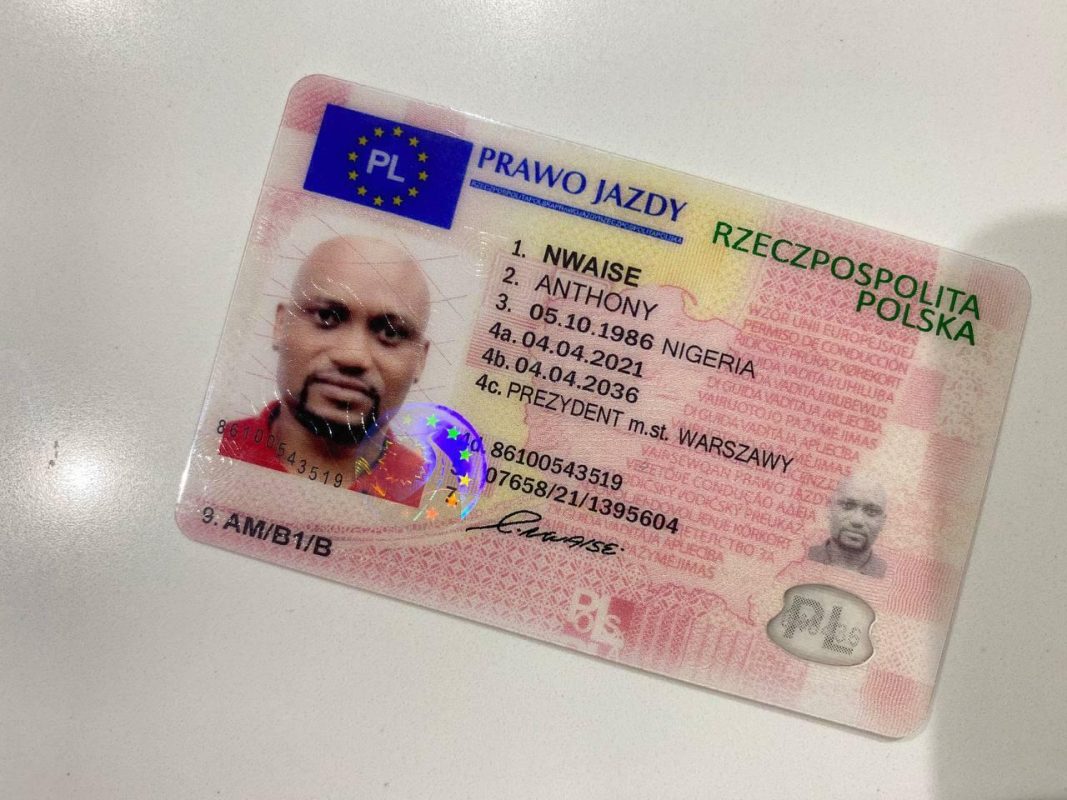
Types of Licenses in Poland
Poland provides different licenses depending on an individual's purpose of stay-- whether it is for work, residency, or driving. Below is a table summarizing these licenses:
| Type of License | Function | Application Authority |
|---|---|---|
| Work Permit (Zezwolenie na Pracę) | To legally operate in Poland | Voivodeship Office |
| Temporary Residence Permit | For people wanting to live temporarily | Voivodeship Office |
| Irreversible Residence Permit | For people looking for long-term residency | Voivodeship Office |
| EU Blue Card | For extremely skilled specialists from non-EU nations | Voivodeship Office |
| Driving License | To lawfully drive a vehicle in Poland | Regional Municipal Office |
| Company License | For entrepreneurs meaning to develop a business | Local Municipal Office |
The Application Process
Step 1: Determine the Type of License
Before beginning the application process, it is vital to recognize which kind of license is needed based on one's circumstances. For instance:
- Employment: If you desire to work in Poland, the Work Permit or EU Blue Card would be necessary.
- Residency: For those looking for to live in Poland, either a Temporary or Permanent Residence Permit would be proper.
- Driving: Individuals wanting to drive need to make an application for a Driving License.
Step 2: Gather Required Documentation
Each license type requires specific documents. Below is a list of common requirements, however candidates must check the specific documents requires for their particular licenses.
Common Requirements for Licenses
| License Type | Common Documents Required |
|---|---|
| Work Permit | - Completed application - A valid passport - Job offer letter - Company registration document - Proof of credentials and experience |
| Short-term Residence | - Completed application form - Valid passport - Proof of lodging in Poland - Health insurance coverage documentation |
| Long-term Residence | - Completed application - Valid passport - Long-term residency permit - Proof of financial stability |
| EU Blue Card | - Completed application type - Valid passport - Employment contract - Proof of education certifications |
| Driving License | - Completed application - Valid ID - Medical assessment certificate - Proof of home |
| Business License | - Completed application kind - Business strategy - Proof of capital expense |
Action 3: Submit the Application
Once all documents is all set, candidates can send their application to the appropriate authority. This may be carried out in individual or, depending upon the license type, online.
For work-related authorizations, employers frequently play an essential role by submitting an application on behalf of their staff members. For driving licenses and organization licenses, applicants must visit their local community office.
Step 4: Pay the Applicable Fees
The majority of license applications involve processing fees. The fees will differ based on the type of license obtained and the specific jurisdiction. Check the official federal government site or get in touch with the respective office for exact amounts.
Exemplary Fee Structure
| License Type | Approximate Fee |
|---|---|
| Work Permit | 100-200 PLN |
| Momentary Residence Permit | 400-600 PLN |
| Permanent Residence Permit | 640 PLN |
| EU Blue Card | 100-500 PLN |
| Driving License | 100-300 PLN |
| Service License | 500 PLN |
Step 5: Await the Decision
After the application is submitted, it might take numerous weeks or perhaps months for the pertinent authorities to process the applications. Keeping interaction lines open with the particular office can assist applicants stay upgraded on any extra requirements or choices made.
Step 6: Receive License & & Comply with Regulations
As soon as approved, effective candidates need to comply with any conditions stated within their license, such as regional laws, renewal deadlines, or other responsibilities.
Frequently Asked Questions (FAQ)
1. For how long does the license application process take?
The processing time differs depending upon the type of license and the particular office overwhelmed with applications. Generally, it can take anywhere from a month to a number of months.
2. Can I operate in Poland while my work permit application is processed?
For zakup Prawa jazdy B the most part, holding a valid visa is needed to work while the application is processed. Talk to local regulations for specific rules suitable to specific situations.
3. Is health insurance necessary for license applications?
Yes, specifically for residency authorizations, evidence of medical insurance may be a requirement to make sure that you have access to treatment while in Poland.
4. Can I look for numerous licenses all at once?
Yes, however applicants must guarantee they fulfill the unique requirements for each license obtained.
5. What happens if my application is denied?
You might appeal the decision, but it is vital to comprehend the reasons for rejection and resolve them clearly in your appeal. Look for legal counsel if required.
Browsing the Polish license application process can be complex, but arming oneself with information and sticking to the steps detailed above can cause an effective journey in obtaining the needed documents. Whether for legalne prawa jazdy bez egzaminu jazdy kategoria b online (https://macleod-carrillo.technetbloggers.de/driving-license-poland-tips-from-the-top-in-the-business) work, residency, or other purposes, correct preparation and preparation will pave the way for a smoother application experience in Poland. For more detailed information, it's suggested to speak with official federal government websites or seek professional legal support.