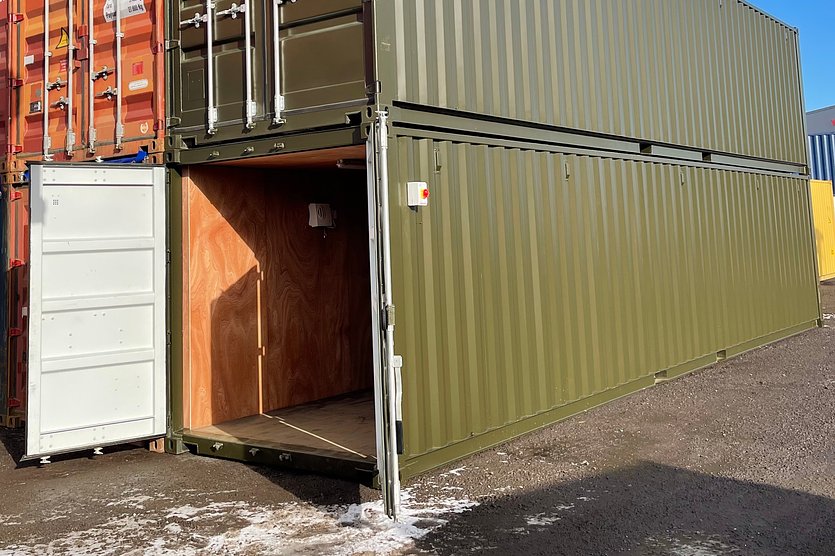
Shipping Container Modification: The Future of Innovative Design
In a world increasingly controlled by the requirement for sustainable living and effective use of resources, shipping container modification has become an advanced solution. Typically viewed as simple vessels for transporting products across oceans, shipping containers have progressed into a multi-functional foundation for different applications. From homes and offices to pop-up stores and disaster relief shelters, the flexibility of modified shipping containers is truly exceptional. This post checks out the ins and outs of shipping container modifications, detailing their benefits, frequently used designs, and frequently asked questions.
Understanding Shipping Container Modification
Shipping container modification is the process of repurposing a standard metal shipping container into a functional area for diverse applications. The modifications can consist of adding windows, doors, insulation, plumbing, electrical systems, and more.
Table 1: Common Types of Shipping Container Modifications
| Modification Type | Description |
|---|---|
| Residential Homes | Producing livable spaces with amenities like bathroom and kitchens. |
| Workplaces | Designing practical work areas equipped with necessary utilities. |
| Retail Spaces | Crafting stores for stores and pop-up shops, offering an enticing retail environment. |
| Storage Solutions | Transforming containers into safe and secure storage systems for organizations or individual usage. |
| Community Centers | Developing areas for events, workshops, and events, improving regional neighborhood engagement. |
| Mobile Clinics | Developing health care services in remote locations with portable medical centers. |
| Catastrophe Relief Housing | Providing fast and effective short-term housing solutions throughout emergencies and natural catastrophes. |
Benefits of Shipping Container Modification
- Cost-Effective: Constructing a building using traditional products can be expensive, while modified containers frequently need less financial investment.
- Sustainable: Recycling containers contributes to ecological conservation, decreasing waste and the requirement for new materials.
- Long lasting and Strong: Shipping containers are constructed to withstand severe maritime conditions, making them robust structures ideal for different weather.
- Flexible: The limitless modification possibilities permit for creative designs customized to particular requirements.
- Quick Construction: Container modifications can frequently be finished much faster compared to standard structure techniques.
Popular Designs and Applications
When thinking about shipping container modifications, some styles have acquired appeal due to their creativity and function. Here are a few noteworthy examples:
Container Homes: A growing pattern in sustainable living, shipping container homes can be designed to make the most of space and energy performance while providing contemporary looks.
Office Spaces: Adaptable for remote work or start-up culture, container offices offer cost-effective and versatile work environments that can be transferred as needed.
Pop-Up Shops: Retailers utilize modified containers as temporary stores, using high-traffic locations while minimizing overhead costs.
Dining establishments and Cafes: Container cooking areas can be equipped to serve food efficiently while including special dining experiences that draw clients.
Art Studios: Artists looking for special spaces can use modified containers as versatile studios or exhibit spaces.
Table 2: Notable Shipping Container Projects
| Task Name | Place | Description |
|---|---|---|
| The Container Park | Las Vegas, NV | A home entertainment venue with stores, dining establishments, and a play area. |
| Cargotecture | Numerous Locations | Architectural projects utilizing containers for innovative designs. |
| The Kalmar Nyckel | Wilmington, DE | A maritime museum using modified containers for interactive areas. |
| Container City | London, UK | A whole complex of multifunctional shipping container units. |
Regularly Asked Questions (FAQs)
What type of containers can be modified?
A lot of commonly, basic shipping containers like those categorized as 20-foot and 40-foot systems are used. High cube containers are likewise popular due to their additional height.
Are shipping container modifications safe?
Yes, when effectively modified by experts, shipping containers satisfy safety regulations and can be geared up with electricity, pipes, and insulation to make them as safe and comfortable as any traditional structure.
How much does it cost to modify a shipping container?
The cost of modifications varies considerably depending upon the intricacy and type of modifications needed. Fundamental modifications can begin with a few thousand dollars, while more extensive improvement could escalate into tens of thousands.
Can shipping containers hold up against severe weather?
Shipping containers are durable, constructed to tolerate rough conditions. However, depending upon their usage, improvements like insulation may be essential for severe climates.
Are shipping container homes legal?
Zoning policies for container homes vary widely. Before embarking on a modification job, it's important to consult regional structure codes and regulations.
Shipping container modification is not simply a creative trend; it embodies a sustainable technique to architecture and design. As urbanization continues to increase and the need for inexpensive housing boosts, shipping containers have the possible to solve these pressing challenges. With their versatility, performance, and eco-friendliness, modified shipping containers represent an appealing pattern that blends development with need. Whether for residential, commercial, or neighborhood usage, the possibilities are essentially endless, leading the way for a future reimagined through the lens of shipping container architecture.
By comprehending the advantages, popular styles, and subtleties of shipping container modifications, people and services can make informed decisions to accept this pattern and construct spaces that are innovative and sustainable.