

Everything You Need to Know About Baby Cots: Choosing the Perfect Sleep Space for Your Little One
Inviting a new baby brings with it a psychological whirlwind of joy, enjoyment, and countless decisions regarding the very best cot bed for your child's health and joy. One of the most essential decisions expectant moms and dads face is picking the best sleeping environment for their newborn. A baby cot, also referred to as a baby crib, plays a pivotal function in making sure a safe and comfy sleep area for babies.

This article explores important elements of baby cots, including types, security guidelines, important features, psychological factors to consider, and FAQs to help brand-new parents make an informed decision.
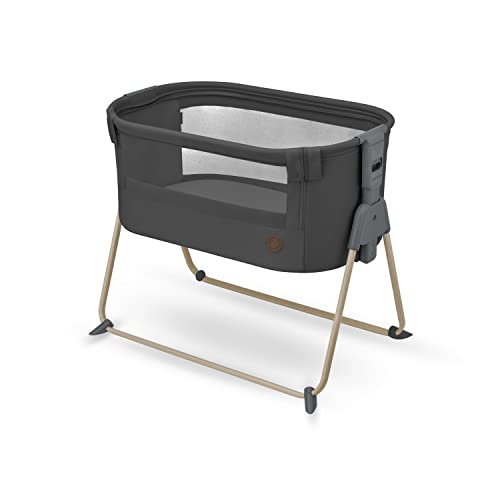
Kinds Of Baby Cots
When selecting a baby cot, numerous types are offered, each dealing with various needs and preferences:
| Type of Cot | Description | Pros | Cons |
|---|---|---|---|
| Standard Cot | A fixed cot that is normally designed for infants. | Durable and sturdy. | Less flexibility in height alternatives. |
| Convertible sale cot | A cot that can shift into a toddler bed or daybed. | Can grow with the kid. | Greater in advance expense. |
| Portable or Travel Cot | A lightweight cot that can be easily carried. | Practical for travel and sees. | May not be as strong as conventional cots. |
| Co-Sleeper Cot | Connects to the parent's bed for close sleeping. | Promotes bonding and availability. | Restricted life expectancy; moms and dad might roll onto it. |
| Bassinet | A smaller, portable bed for babies approximately 4-6 months. | Compact and easily movable. | Very limited life expectancy; fast shift needed. |
Secret Features to Consider
When selecting the ideal baby cot, several important functions need to be considered to make sure safety, convenience, and functionality:
Safety Standards: Ensure the cot satisfies security requirements set by companies like the American Society for Testing and Materials (ASTM) or the Juvenile Products Manufacturers Association (JPMA).
Material Quality: Cots are frequently made from wood or metal. Select solid wood choices for sturdiness however ensure they are totally free from hazardous surfaces and unique designs that might posture a threat.
Adjustable Mattress Heights: Features that enable parents to adjust the height of the bed mattress can make it easier to lift a baby in and out of the cot as they grow.
Excellent Mattress Support: A supportive mattress is important for your baby's advancement. Guarantee that the mattress fits comfortably in the cot without any gaps in between the bed mattress and baby crib sides.
Assembly and Portability: Consider how simple the cot is to assemble and whether it can be easily moved if needed. Travel cots and lightweight designs can be beneficial for households on the go.
Bedding Considerations: Safety standards advise utilizing a firm bed mattress with a fitted sheet. Prevent pillows, toys, and excessive bed linen inside the cot to reduce the threat of suffocation.
Looks: While not a top priority, the cot's style and color need to complement your home decor and your individual design.
Guaranteeing Safety: Guidelines for Baby Cots
The security of your baby is vital, and several guidelines have been established to guarantee they sleep comfortably in their cots:
Spacing: The slats on the sides of the cot should disappear than 2-3 inches apart to avoid the baby's head from getting trapped.
Age Appropriateness: Use the cot till the baby can press up on their hands and knees. At that point, transitioning to a toddler bed is suggested.
Cots Recalls: Stay notified about any remembers on baby cots or mattresses. Frequently inspect consumer security sites for updates.
Environmental Safety: Avoid putting the cot near windows, drapes, or blinds to avoid unintentional strangulation.
Psychological Considerations for Parents
Choosing a cot does not simply include logistics; it also incorporates psychological elements:
Bonding: A co-sleeper cot can facilitate bonding by enabling parents to easily address their newborn throughout the night.
Sleep Training: Some moms and dads might discover that the cot's design impacts their capability to sleep train. Portable or convertible options may offer versatility to ease transitions as children grow.
FAQs About Baby Cots
Q1: What is the Best cot Newborn age to shift from a cot to a toddler bed?
A: Typically, this shift occurs between 2-3 years of age, depending upon the child's advancement. Once they begin climbing out of the cot or reach a height of 35 inches, it might be time to switch.
Q2: How long can a baby use a cot?
A: Infants can oversleep a cot from birth till they are about 3 years old or until they start climbing out or reach a height where it's no longer safe.
Q3: Can I use a second-hand mini cot beds? What should I inspect?
A: Yes, you can use a pre-owned cot, but guarantee it satisfies current security requirements, does not have lead paint, does not have sharp edges, and has not been recalled.
Q4: What type of bed mattress is best for a baby cot?
A: A firm foam or innerspring bed mattress that fits comfortably within the cot is ideal. Ensure it has a water resistant cover for easy cleaning.
Q5: Is it safe to put my baby in a cot with blankets and toys?
A: For babies, it's best to keep the cot without pillows, toys, or heavy blankets to minimize the danger of suffocation or Sudden Infant Death Syndrome (SIDS).
Selecting the right baby cot is a considerable choice that requires careful factor to consider of various factors, from security to looks. By understanding the offered kinds of cots, their key functions, and sticking to safety guidelines, new parents can with confidence create a sleep environment customized to their kid's requirements. Correct research and planning are vital, making sure that both the kid and moms and dads feel comfy and safe in this important milestone of early youth. Ultimately, every baby is worthy of a snug and safe cranny-- make the option count!










